

Total honesty about materials, cost, and craftsmanship — the same principle our family has built on for three generations.
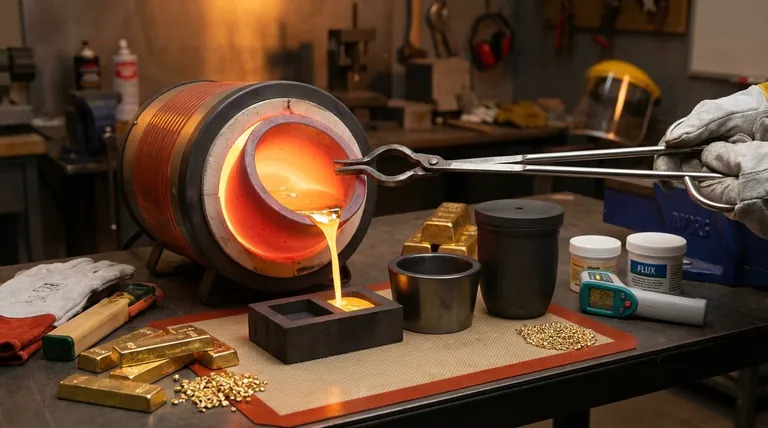
Available in multiple karats, in white, yellow, or rose tones. Karat and tone are chosen together during your design consultation to suit the piece and how it will be worn day to day.
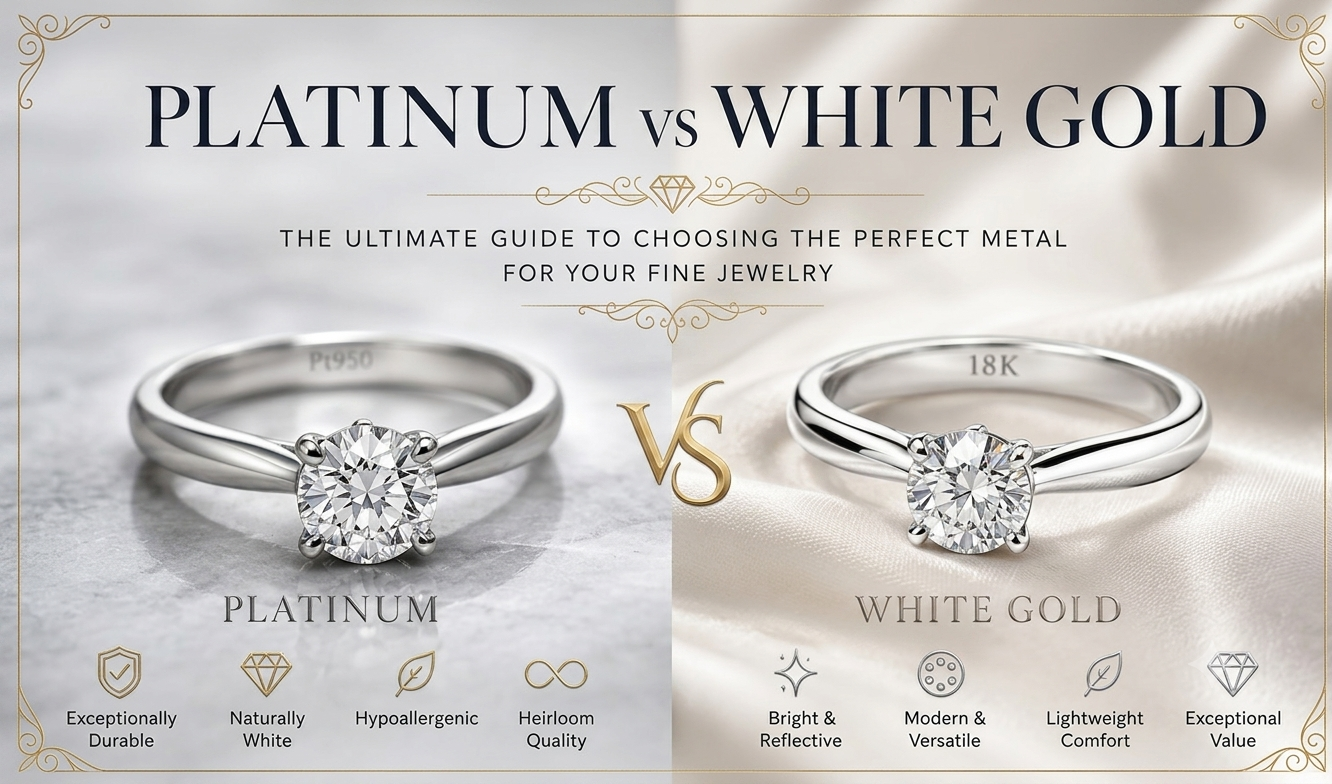
Denser and more durable than gold, platinum holds stones securely over decades of daily wear and develops a soft patina over time rather than losing material. A common choice for wedding rings meant to be worn every day.
White gold offers a similarly bright, cool tone at a lighter weight and lower cost — a versatile, comfortable option, though its rhodium plating will need occasional re-plating over the years to keep its shine, unlike platinum's natural luster.
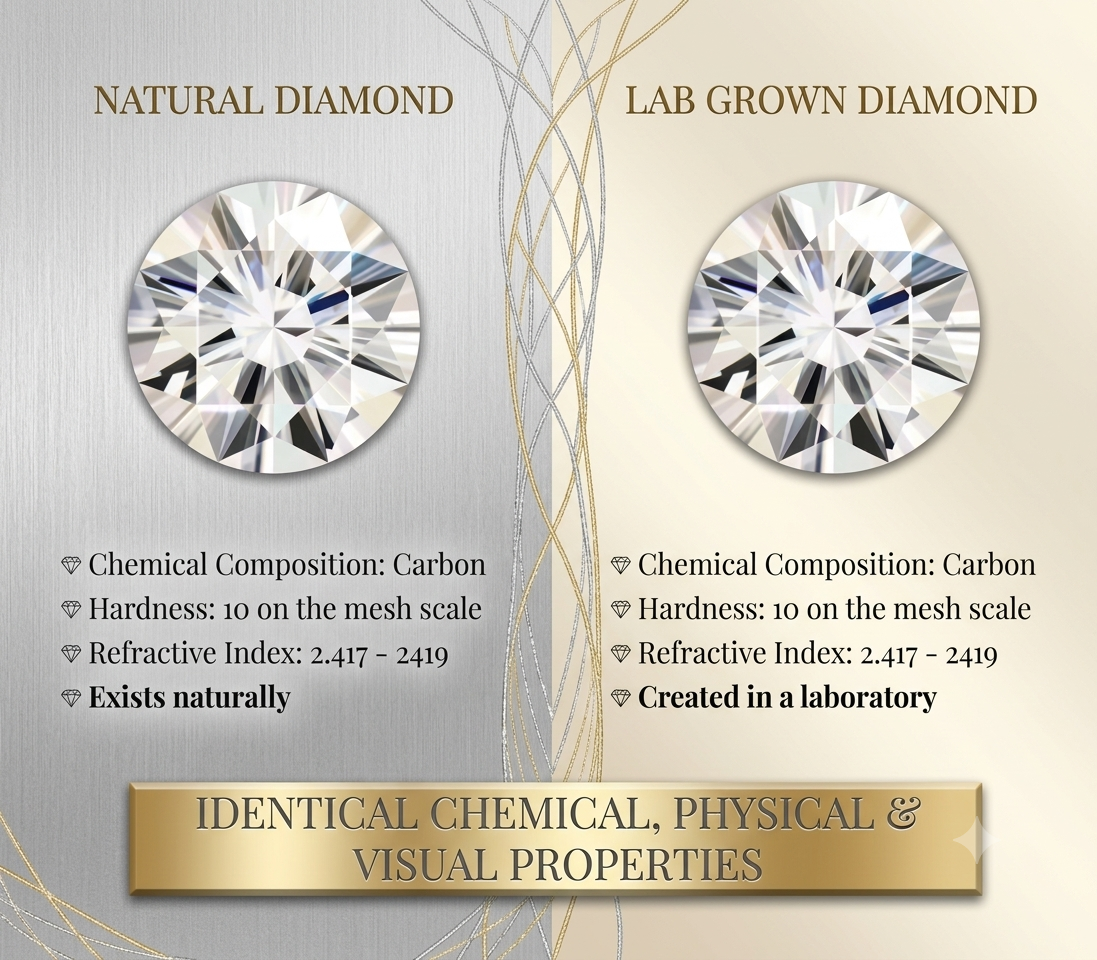
Both are real diamonds, chemically and optically identical — the difference is origin. Earth-mined diamonds formed naturally over billions of years; lab-grown diamonds are created in controlled conditions in a fraction of the time, typically at a lower cost for the same size and quality. We'll walk through the trade-offs together and help you choose what matters most to you: budget, story, or provenance.
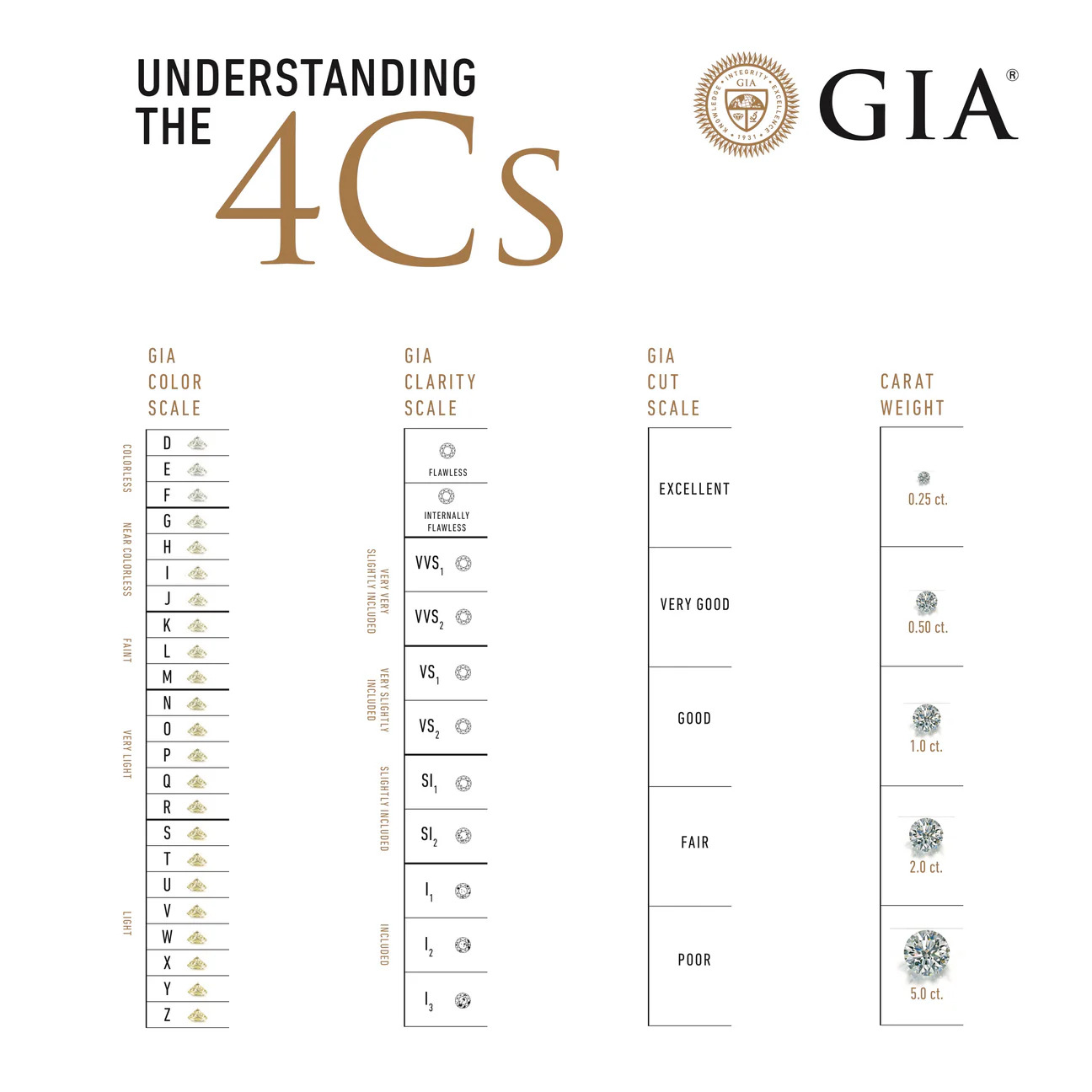
Every diamond is graded on four qualities: Cut (how well it's proportioned to reflect light), Color (how close to colorless), Clarity (how few internal inclusions), and Carat (its weight). Together, the 4Cs are what determine a diamond's quality and price — we'll help you decide where to prioritize based on your budget and what matters most to you.
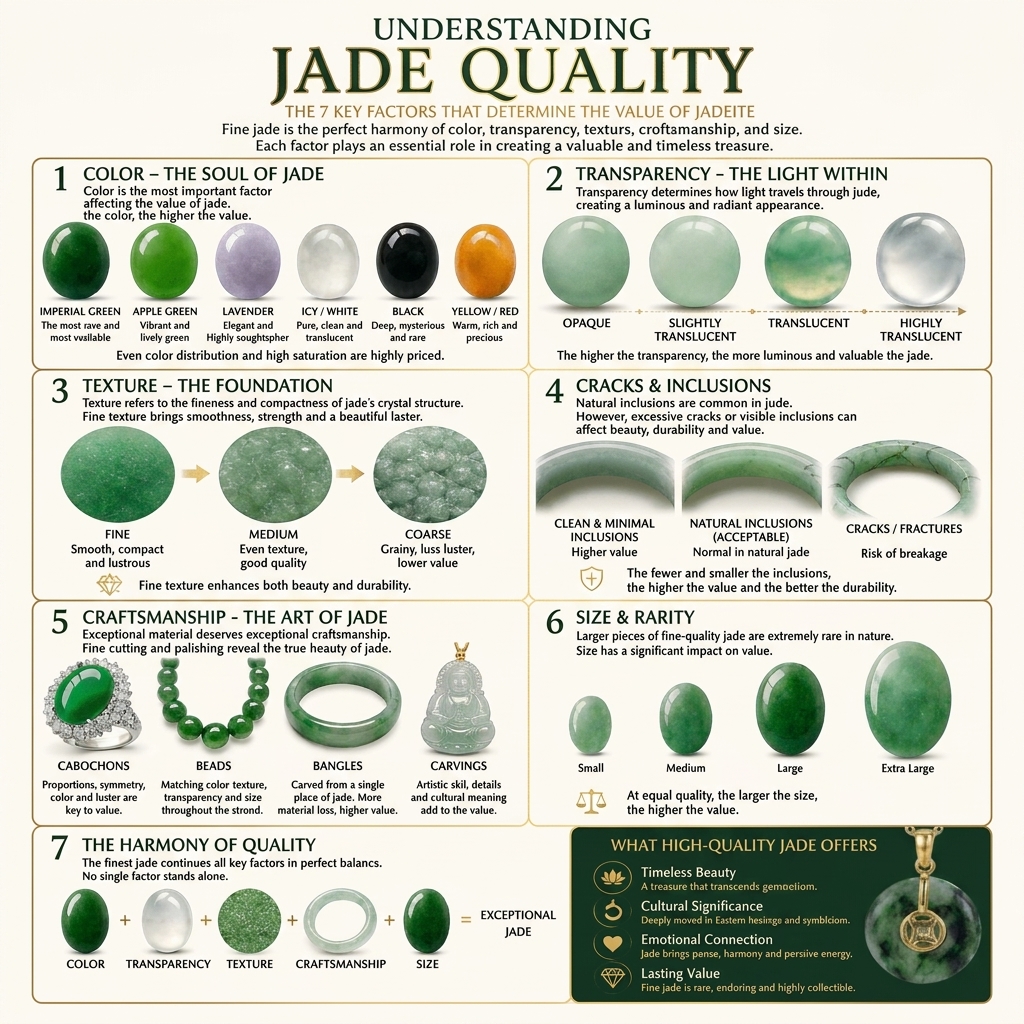
A stone with deep meaning in Chinese culture, associated with protection, luck, and family. We source jade for rings, pendants, and bracelets for clients who want a piece that carries that heritage — a fitting stone for a family business built the same way.